White Rajma vs Red Rajma | Difference Between White and Red Kidney Beans | Rajma Comparison Guide | Healthy Legume Guide
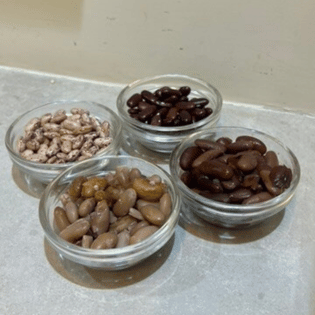
Rajma (kidney beans) is a protein-rich legume widely enjoyed in Indian households. While red rajma is the more commonly known variety, white rajma is also highly nutritious and used in various regional dishes. Both varieties are excellent sources of plant-based protein, fibre, and essential minerals, but they differ slightly in taste, texture, appearance, and nutritional profile.
Nutritional Content (Per 100g Cooked)
- Red Rajma:
- Red rajma provides approximately 127 calories, 0.5 g fats, 8.7 g proteins, 22.8 g
- carbohydrates, and 6.4 g fibre. It is rich in iron, potassium, folate, and antioxidants that
- contribute to overall health.
- White Rajma:
- White rajma provides approximately 125 calories, 0.4 g fats, 8.5 g proteins, 22.5 g
- carbohydrates, and 6.0 g fibre. It offers a similar nutritional profile while being slightly
- milder in flavor and easier on the palate.
Key Differences Between White and Red Rajma
Appearance
- Red rajma has a deep reddish-brown color and a classic kidney-shaped appearance.
- White rajma is cream to off-white in color and looks lighter and smoother. Both varieties
- belong to the same bean family but differ visually.
Taste
- Red rajma has a richer, earthier flavor that stands up well to bold Indian spices and
- gravies. White rajma has a milder, slightly nutty taste, making it suitable for lighter
- curries, soups, and salads. The choice often depends on personal preference and the
- recipe.
Texture
- When cooked, red rajma tends to remain slightly firmer and holds its shape well. White
- rajma becomes softer and creamier, creating a smoother texture in curries and stews.
- This makes white rajma ideal for dishes where a softer consistency is desired.
Antioxidant Content
- Red rajma contains higher levels of anthocyanins and antioxidants due to its darker
- pigmentation. These antioxidants help protect the body from oxidative stress and
- support overall health. White rajma contains antioxidants too, but generally in lower
- amounts.
Culinary Uses
- Red rajma is traditionally used in the famous North Indian rajma curry and pairs well
- with rice. White rajma is often used in lighter gravies, soups, Mediterranean-style
- dishes, and salads. Both can be used interchangeably, but each offers a slightly
- different eating experience.
Excellent Source of Plant Protein
- Both red and white rajma provide quality plant-based protein that supports muscle
- repair, growth, and overall body function.
Supports Digestive Health
- Their high fibre content promotes regular bowel movements, improves gut health, and
- helps maintain a healthy digestive system.
Helps Manage Blood Sugar Levels
- Rajma has a low glycemic index and releases energy slowly, helping maintain stable
- blood sugar levels.
Promotes Heart Health
- The fibre, potassium, and antioxidant content support healthy cholesterol levels and
- cardiovascular wellness.
Aids Weight Management
- The combination of protein and fibre helps increase satiety, keeping you fuller for longer
- and reducing unnecessary snacking.
- Both white and red rajma are highly nutritious and offer similar health benefits. Red
- rajma stands out for its richer flavor and higher antioxidant content, while white rajma
- offers a milder taste and creamier texture. Including either variety—or alternating
- between both—can add protein, fibre, and essential nutrients to your diet while keeping
- meals delicious and satisfying.